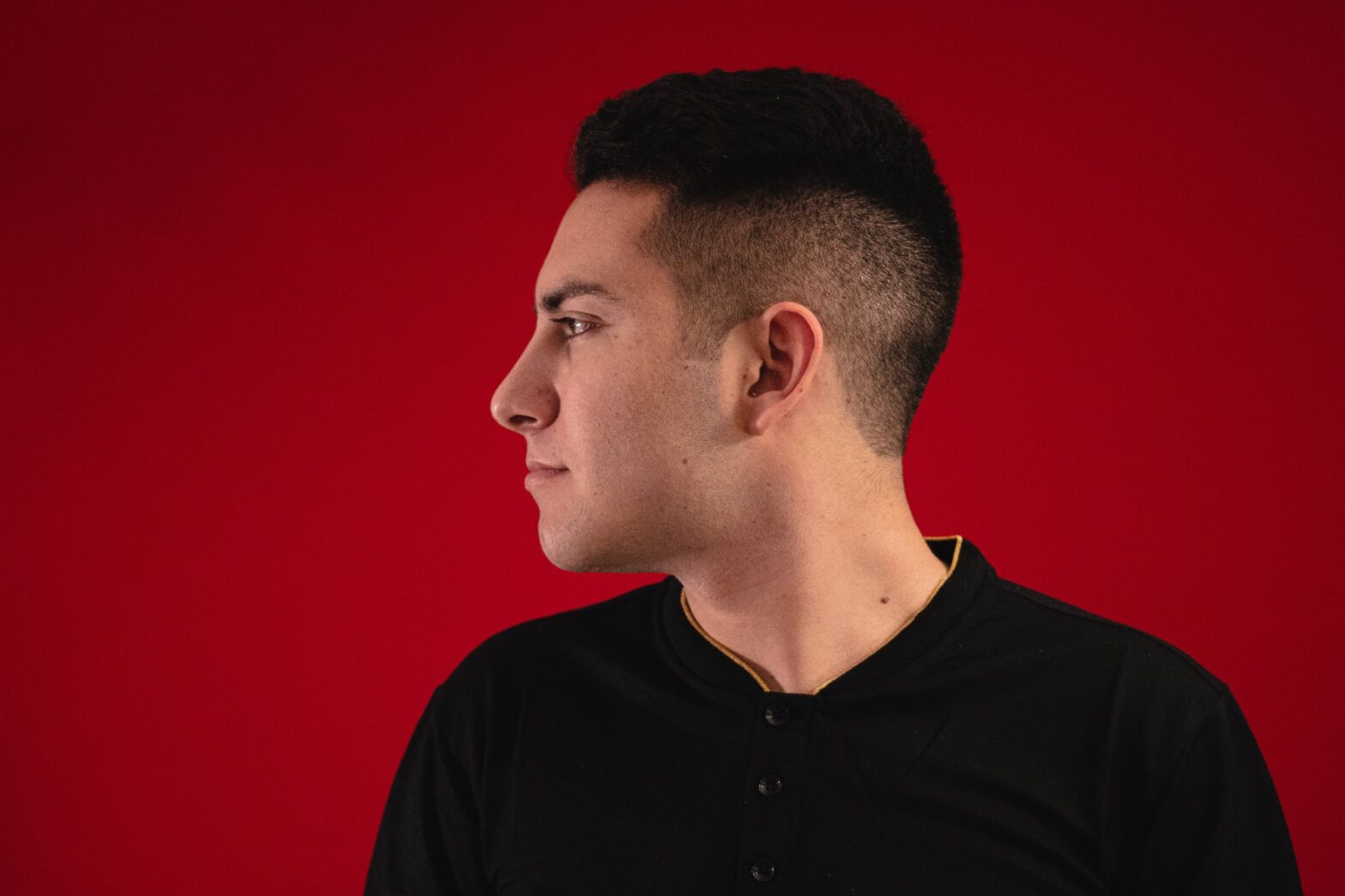
Male pattern baldness affects around a third of men under 30, so if your hairline is starting to recede or your hair’s looking a little thin, you’re not alone.
While there are some effective hair loss treatments on the market, the only way to permanently reverse hair loss is by having a hair transplant.
Hair transplants are now the most sought after cosmetic procedure in the UK and new clinics specializing in hair loss surgery are opening all the time. If you’re considering getting a hair transplant, here’s what you need to know.
Types of Hair Transplant
There are currently two main types of hair transplant: FUE, and FUT.
FUE, or follicular unit extraction, is the most common option. It involves removing individual hair follicles from a donor area such as the back or sides of your head. These follicles are then individually inserted into bald areas. This process takes a long time but leaves no scars.
With FUT, or follicular unit extraction, the surgeon will remove a fine strip of hair, which is then divided into individual follicles for reinsertion. This procedure is quicker and cheaper than FUE but it does leave small scars at the area where hair follicles are removed.
Is a Hair Transplant Permanent?
Most hair transplants if done correctly by a reputable surgeon should last a lifetime. However, if the hair in the donor areas starts thinning, the transplanted hair may also start to fall out. If this happens, you may need another hair transplant.
How Much Does a Hair Transplant Cost in the UK?
According to the NHS, the average cost of hair transplants in the UK ranges from £1,000 to £30,000. The actual price you pay will depend on the type of hair transplant you choose, the extent of your hair loss, and the clinic you decide to have the procedure at.
Hair transplants are classed as cosmetic surgery and so they’re not available on the NHS.
When Will I Start to See the Results of My Hair Transplant?
In the first two weeks to two months the transplanted hair will start to fall out. This is completely normal and a necessary part of the hair transplant process.
It takes around four months to start seeing visible hair regrowth from your hair transplant. The hair may seem fine at first but it will thicken up over time. By 10 to 15 months you should see the final result of your hair transplant.
What is Recovery After a Hair Transplant Like?
A hair transplant is a minimally invasive surgical procedure and most people will recover quickly without the need to take any time off work. You’ll be given anaesthetic injections before the procedure and any pain afterwards can normally be managed with over the counter painkillers. You’ll have to avoid the gym and lifting heavy weights for two weeks.
The recovery process does depend on the type of transplant (with FUT being slightly more invasive) and the size of the transplant area.
There will be some redness and scabs around the donor and transplant areas for up to 10 days so you may wish to stay at home and take a week or so off work if you don’t like drawing attention to yourself.
If you opt for an FUT procedure, there will be small stitches used at the donor site and this will heal into a small scar. For this reason, it’s recommended to have hair long enough to cover the scar if you choose this option.
How to Choose a Hair Transplant Clinic
There are hundreds of clinics offering hair transplants in the UK with a wide range of costs, so how should you choose which one to go for?
Researching clinics you’re considering online is a good starting point. You can check reviews on sites like Trustpilot and Google. A lot of negative reviews or a poor rating is usually a red flag.
You should also check the certification of the doctor who will be carrying out the procedure. Choosing a surgeon who has accreditation with the International Alliance of Hair Restoration Surgeons means they specialize in hair transplant surgery and are experts in their field.
Leave a Reply